Drew Vogel · 2 September 2026
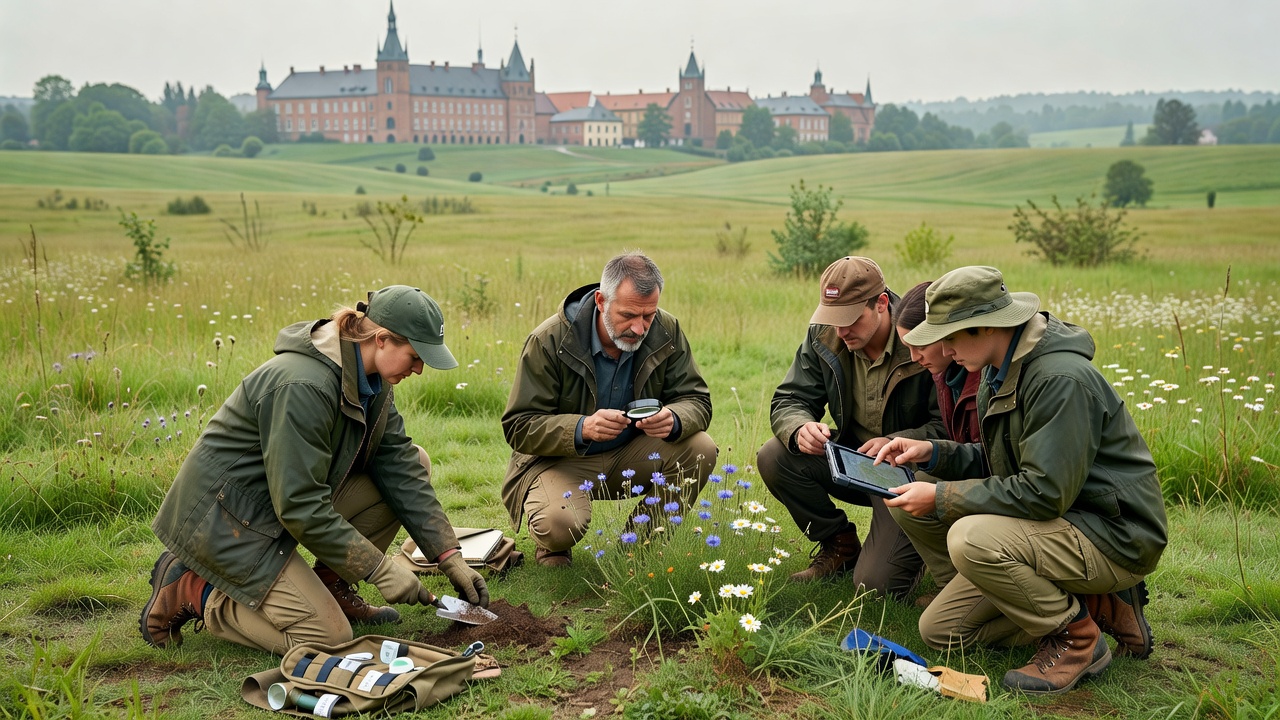
Several leading Polish universities have secured increased government and private funding to strengthen field biology programs. The initiative aims to support practical training in ecology, biodiversity monitoring, and environmental research across natural habitats. Officials from the Ministry of Education and Science confirmed allocations totaling 52 million PLN for the 2024-2026 period, distributed among six institutions.
Allocation Details and University Plans
The University of Warsaw will receive 14 million PLN to expand its field stations in the Białowieża Forest and the Tatra Mountains. Funds will cover new equipment for long-term species monitoring and additional student expeditions. Jagiellonian University in Kraków obtained 11 million PLN, focusing on freshwater ecosystem studies in the Carpathian region. Adam Mickiewicz University in Poznań plans to upgrade its mobile laboratories for ornithology and botany courses using its 9 million PLN share. Other recipients include the University of Gdańsk and Wrocław University of Environmental and Life Sciences, which will develop coastal and wetland research modules.
Program coordinators emphasize that the funding prioritizes hands-on learning over classroom instruction. Students will participate in extended field courses lasting two to four weeks, collecting data on climate impacts and habitat restoration. Partnerships with national parks will provide access to protected areas previously limited by budget constraints.
Expected Outcomes for Field Education
University representatives project that the expanded resources will increase annual field biology enrollment by 35 percent. New scholarships will cover travel and equipment costs for 480 undergraduates and 120 graduate students each year. Research output is expected to rise, with participating teams contributing to national biodiversity databases and international projects on pollinator decline.
Industry observers note that enhanced field training aligns with European Union sustainability goals. Graduates are anticipated to fill roles in conservation agencies and environmental consulting firms. Continued evaluation will track program effectiveness through student performance metrics and publication rates over the next three years.