Leon Frank · 31 October 2026
Insect Species Records from Protected Woodlands Support Better Graduate Career Paths in Research Through Shared European Data Sets
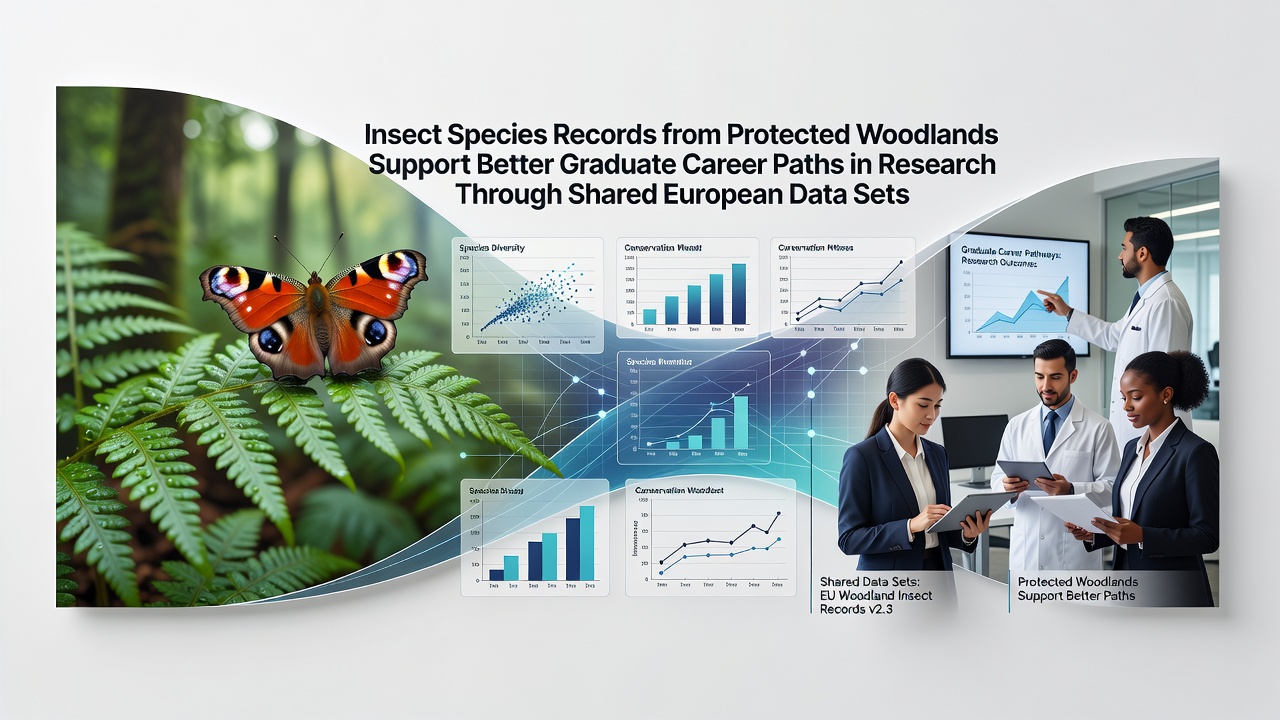
European researchers have compiled extensive insect species records from protected woodlands across multiple countries, and these datasets now feed directly into graduate training programs that prepare students for long-term research careers. Data collected in sites ranging from ancient oak forests in Germany to mixed deciduous stands in the Balkans shows consistent patterns of species distribution and abundance that become accessible through centralized platforms. Students access these records to build skills in taxonomy, statistical modeling, and spatial analysis while completing their degrees.
European Data Integration Efforts
Shared platforms such as those maintained by the European Environment Agency allow universities in Poland, France, and Sweden to pool insect monitoring results without duplicating fieldwork costs. Records include occurrence data for beetles, butterflies, and hymenoptera collected through standardized trap methods and citizen-science contributions. Graduate students query these combined sets to test hypotheses about habitat connectivity and climate influences on woodland insects. One project released updated occurrence maps in October 2026 that incorporated three additional years of sampling from Romanian reserves.
Training modules built around these datasets teach students how to clean raw records, apply species distribution models, and interpret trends across borders. Universities report that participants finish their theses faster when they start with pre-existing European data rather than collecting everything from scratch. The approach also exposes students to real-world data governance issues such as licensing and metadata standards.
Skills Development and Research Training
Graduate programs in ecology and biodiversity science now require familiarity with large repositories that aggregate insect data from protected areas. Coursework covers tools for handling millions of records and for visualizing changes in species richness over time. Students practice merging field observations with satellite imagery and climate layers to produce publishable outputs. Those who master these techniques often receive invitations to join ongoing monitoring networks after graduation.

Workshops organized by consortia of research institutes demonstrate how to extract subsets relevant to specific woodland types and then compare them with national red-list assessments. Participants learn version control and reproducible workflows that employers in both academic and governmental sectors expect. Data from protected woodlands has proven especially useful because these sites experience fewer direct human pressures, which makes long-term trends easier to attribute to broader environmental drivers.
Career Outcomes for Graduates
Alumni who trained on shared European insect datasets move into positions at national parks, research centers, and environmental consultancies. Employers value the ability to navigate multi-country databases and to produce analyses that align with EU reporting requirements. Several graduates have secured roles coordinating monitoring programs that feed back into the same repositories they used during their studies. Career tracking surveys show higher placement rates for students who completed projects involving cross-border insect records compared with those who relied solely on local collections.
Networking happens naturally when students attend data-sharing meetings or contribute corrections to public records. These interactions often lead to co-authorship on papers and letters of recommendation for postdoctoral positions. The European research landscape rewards individuals who already understand the structure of continent-wide datasets because new directives on biodiversity monitoring create ongoing demand for such expertise.
Conclusion
Shared European datasets built from insect species records in protected woodlands now form a core component of graduate research preparation. Students gain technical proficiency and professional connections that translate into measurable career advantages once they enter the job market. Continued expansion of these repositories will likely sustain the pipeline of trained researchers needed to support future biodiversity assessments.