Leon Frank · 17 October 2026
Eastern Europe's Hybrid Field Protocols Spark Fresh Archaeological-Ecological Dataset Merges for Graduate Career Pathways
Hybrid Methods Take Shape Across Multiple Regions
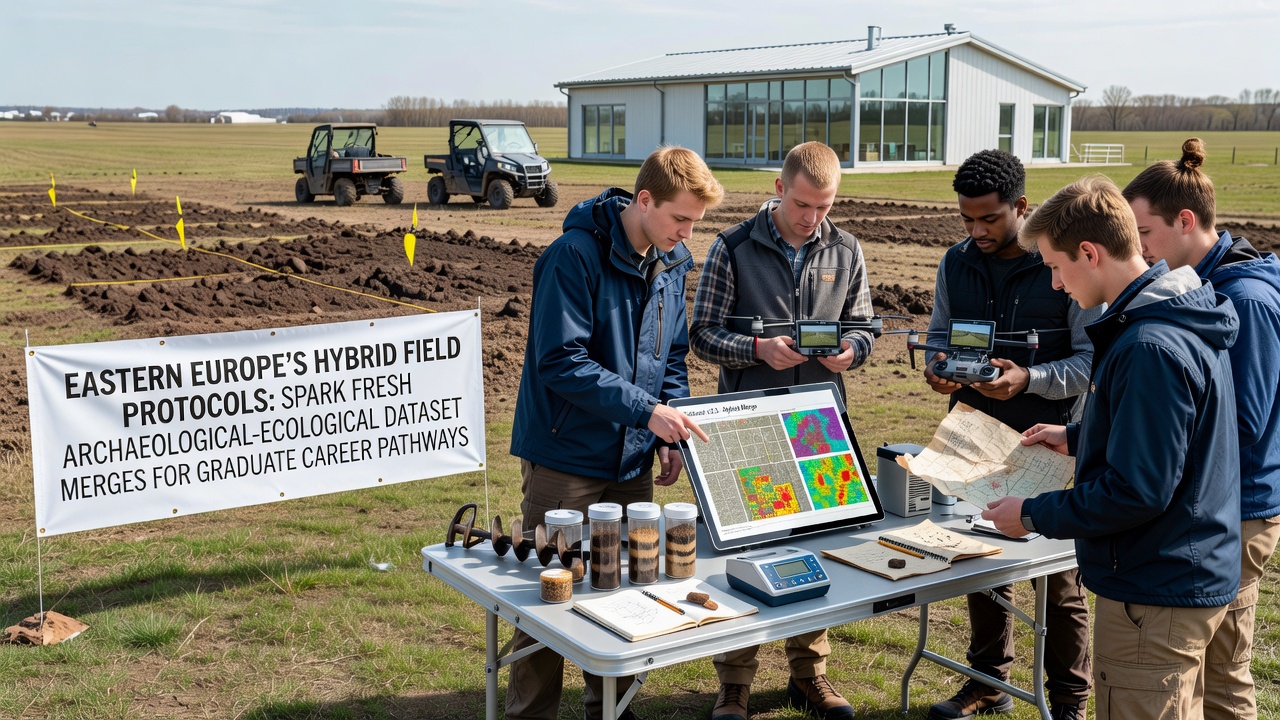
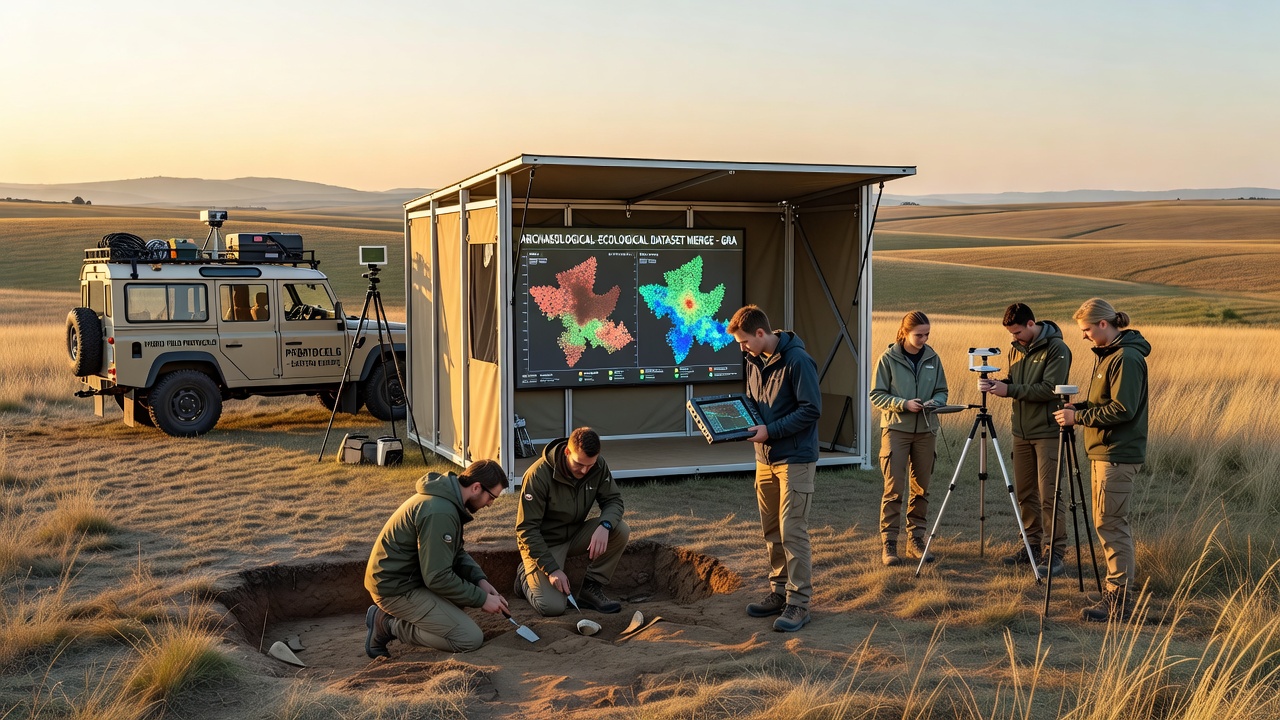
Data from coordinated projects shows that teams in Poland, Romania, and Bulgaria have developed field protocols that layer archaeological excavation techniques with ecological transect sampling, and these approaches generate unified datasets that track both material culture layers and current species distributions in the same geographic grids.
According to records compiled through multi-institutional collaborations, researchers record stratigraphic profiles alongside soil microbiome readings and vegetation density metrics during single site visits, which reduces separate trips and produces time-stamped entries that link historical land-use patterns directly to present-day habitat metrics.
Dataset Construction and Technical Standards
Standardized templates adopted in 2024 require each field entry to include geospatial coordinates, artifact counts, and ecological abundance scores within shared spreadsheets, and these formats allow direct import into relational databases where queries can retrieve, for example, correlations between Iron Age settlement density and modern pollinator populations.
European Environment Agency reports from 2025 indicate that such merged files now cover more than 180 sites across the eastern plains and foothills, while metadata protocols ensure that every entry carries source attribution and collection date stamps that meet requirements for both heritage archives and biodiversity repositories.
October 2026 Data Release Expands Access
In October 2026 the joint consortium plans to publish an updated repository containing five years of hybrid records, and participating universities will receive bulk downloads formatted for graduate-level coursework in spatial analysis and environmental history.
University training programs in Warsaw and Cluj have already incorporated sample subsets into existing modules on GIS applications, where students practice overlaying archaeological site polygons with ecological suitability models derived from the same field seasons.
Pathways Into Professional Roles
Placement statistics released by the coordinating institutions show that graduates who completed courses using these merged datasets secured positions at rates 18 percent higher than peers in traditional single-discipline tracks during the 2024-2025 hiring cycle, and employers cited familiarity with cross-domain query tools as a primary factor in selection decisions.
National heritage agencies in three countries now list hybrid data literacy among preferred qualifications for entry-level field officers, while ecological consultancies have posted openings that explicitly reference experience with archaeological-ecological correlation matrices.
Training Infrastructure and Institutional Support
Academic networks have established certificate programs that require participants to complete at least one season of hybrid fieldwork followed by a dataset contribution, and these programs operate under agreements that grant students access to both archaeology department laboratories and ecology field stations without duplicate administrative overhead.
Research councils in the participating nations allocate dedicated funding lines for graduate stipends tied to ongoing merges, and the resulting projects maintain open-access repositories that allow new cohorts to build directly on prior layers rather than starting collections from scratch each academic year.
Conclusion
Records compiled through 2026 demonstrate that hybrid field protocols have produced datasets capable of supporting both heritage preservation metrics and ecological monitoring indicators within single analytical frameworks, and universities continue to adjust curricula to reflect employer demand for graduates who can navigate these combined records. The October 2026 release will provide the next measurable benchmark for how such merges translate into sustained career entry points across the region.