Blake Foster · 2 September 2026
Observed Changes in Mountain Ecosystems
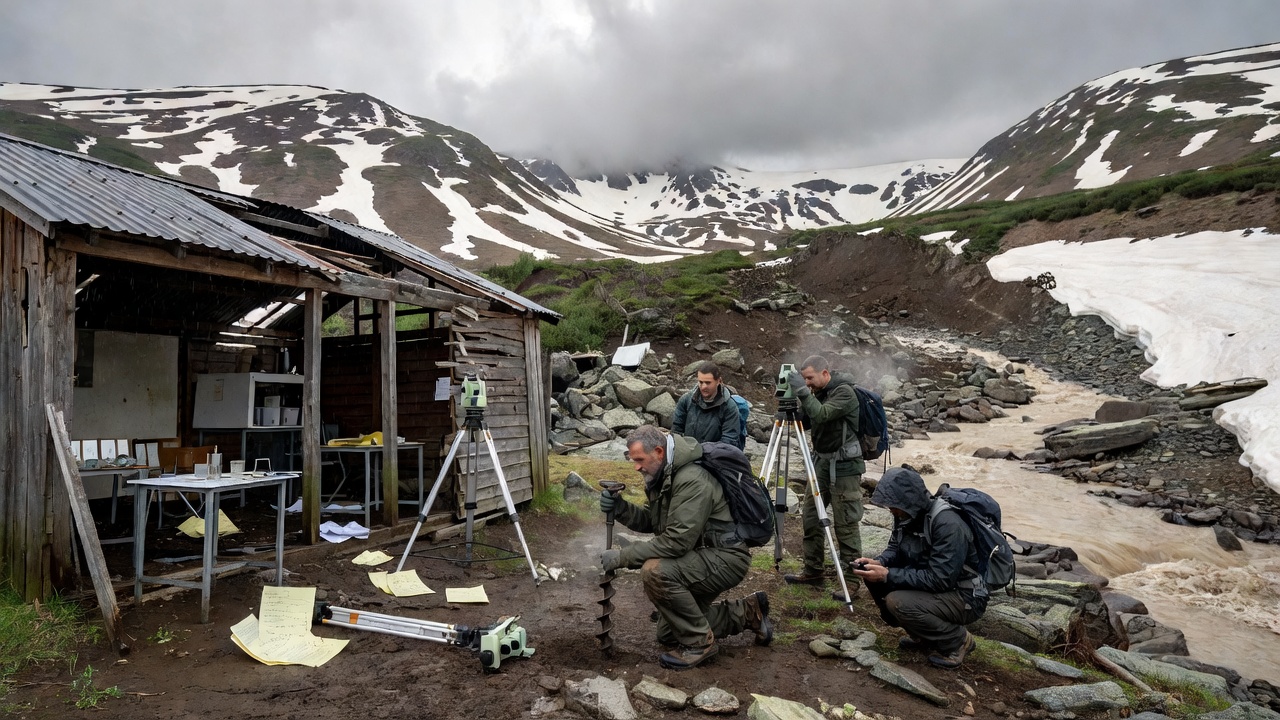
Long-term monitoring in the Carpathian Mountains shows rising average temperatures of 1.8 degrees Celsius since 1990, shifting vegetation zones upward by 120 meters. Field researchers at multiple stations report earlier snowmelt and reduced summer precipitation, altering soil moisture and plant flowering cycles. These changes disrupt established datasets on alpine biodiversity that span four decades.
Faunal surveys indicate declining populations of cold-adapted species such as the Carpathian newt, while thermophilic insects expand ranges. Hydrological studies document lower stream flows during peak field seasons, complicating water sampling protocols and equipment deployment. Researchers note increased frequency of extreme weather events that damage remote sensor arrays and access trails.
Implications for Educational Field Studies
University programs using these sites must revise curricula to incorporate climate variability modules. Students now collect comparative data on microclimate gradients rather than static baselines, extending training in adaptive sampling methods. Equipment upgrades include solar-powered loggers rated for wider temperature swings and drone surveys to map shifting habitats safely.
Partnerships with meteorological agencies provide real-time forecasts to schedule fieldwork around unstable conditions. Educators emphasize ethical considerations when relocating plots to track species migration, ensuring minimal disturbance to protected areas. Updated risk assessments address new hazards such as rockfalls triggered by permafrost thaw. These adjustments maintain the sites' value for hands-on ecological education while documenting ongoing environmental transformation.